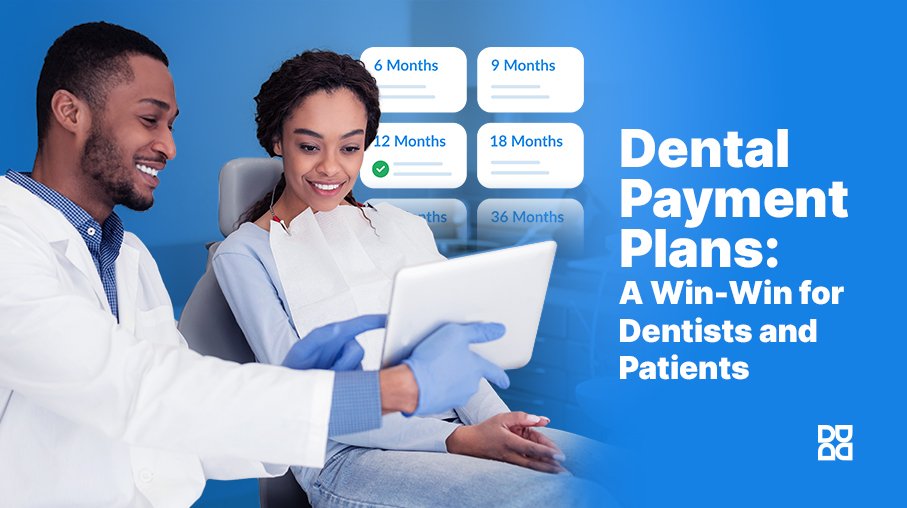
Facing a dental bill can feel like a sudden punch to the gut. You know you need that root canal, the crown, or even just those essential preventative cleanings, but the cost? It can be a significant barrier, often leading people to postpone or even forgo crucial dental care. This isn't just about aesthetics; delaying treatment can snowball into more severe, painful, and ultimately, more expensive problems down the road.
The good news? The landscape of dental care has evolved, recognizing that financial hurdles shouldn't dictate your oral health. Today, a variety of patient financing and payment plans exist specifically to make dental services affordable and accessible. These aren't just obscure options for the select few; they're mainstream solutions designed to help you get the care you need when you need it, without breaking the bank.
This comprehensive guide will demystify patient financing for dental services, breaking down your options, clarifying the fine print, and empowering you to make informed decisions for your smile and your wallet.
At a Glance: Key Takeaways on Dental Financing
- Don't Delay Care: Postponing treatment due to cost often leads to more expensive and painful issues later.
- Multiple Options Exist: From in-office plans to specialized third-party lenders, you have choices beyond just paying upfront.
- 0% APR Opportunities: Many plans offer promotional periods with no interest, making large treatments manageable.
- Understand the Terms: Always review interest rates, payment schedules, and any potential fees before committing.
- Third-Party Advantages: Companies like Cherry can offer quick approvals, a range of terms, and often better cash flow for practices, while handling patient repayments directly.
- Talk to Your Dentist: Your dental team is your best resource for understanding the options available at their practice.
- It's for Everyone: Even if you have dental insurance, financing can cover out-of-pocket costs, deductibles, and non-covered procedures.
The Silent Cost of Dental Delay: Why Financing is More Than Just a Convenience
The human mouth is a gateway to overall health. Ignoring a cavity, a gum infection, or even persistent jaw pain isn't just about discomfort; it can lead to serious systemic health issues, including heart disease, diabetes complications, and even stroke. Yet, fear of cost is a primary reason many patients postpone or outright avoid necessary dental treatment.
Think about it: an unexpected emergency extraction, a multi-tooth crown restoration, or comprehensive orthodontic work can easily run into thousands of dollars. Even with dental insurance, co-pays, deductibles, and procedures not fully covered can leave a substantial out-of-pocket balance. The American Dental Association (ADA) notes that when patients aren't prepared for these costs, it can lead to treatment delays or abandonment. This isn't just inconvenient; it's a health risk.
This is where patient financing steps in. It's not just a fancy payment method; it's a vital tool that bridges the gap between essential care and your immediate financial capacity. By spreading the cost of treatment over time, financing allows you to:
- Address urgent issues immediately: Stop pain, prevent infections, and avoid more complex problems.
- Complete comprehensive treatment plans: Achieve optimal oral health and aesthetics, not just patch-up jobs.
- Manage your budget: Break down large expenses into affordable monthly payments that fit your financial reality.
- Maintain your overall health: Protect yourself from the systemic health complications linked to poor oral hygiene.
In essence, patient financing empowers you to prioritize your health without feeling overwhelmed by a single large payment. It transforms a daunting upfront cost into a manageable investment in your well-being.
Demystifying Your Options: A Closer Look at Dental Payment Plans
When it comes to financing dental work, you generally have two main avenues: direct arrangements with your dental practice (in-office plans) or third-party solutions that specialize in healthcare financing. Each comes with its own set of advantages and considerations.
1. In-Office Payment Plans: Your Practice as a Partner
Many dental practices, especially for established patients, offer their own internal payment plans. This means you make payments directly to the dental office over an agreed-upon period.
How They Typically Work:
The practice will usually discuss your treatment plan and then work with you to establish a series of regular payments—weekly, bi-weekly, or monthly—until the total cost is covered. These plans are often interest-free, particularly for shorter durations.
The Upsides for You:
- Familiarity and Trust: You're dealing directly with your trusted dental team.
- Flexibility (Sometimes): For smaller balances or short-term arrangements (e.g., 60-90 days), these plans can be quite straightforward with minimal paperwork.
- No Credit Checks (Often): Depending on the practice and the amount, these plans might not require a formal credit check, making them accessible to a wider range of patients.
What Your Dental Practice Faces (and Why It Matters to You):
While convenient, offering in-office financing can be complex for dental practices. According to the ADA, if a practice offers patients more than 90 days to settle an account, it may be considered a "lender" and subject to federal and state Truth in Lending Act (TILA) regulations, including Regulation Z. This means specific disclosures about interest rates and terms are legally required, which can be "arduous and complex" for a dental office to manage.
For this reason, many practices limit the duration of their in-office plans or restrict them to smaller treatment costs to avoid becoming entangled in complex lending compliance. They also need to manage collections, which takes time and resources away from patient care.
Key Questions to Ask About In-Office Plans: - Is there any interest charged?
- What is the total payment period?
- Are there any late fees or setup fees?
- What happens if I miss a payment?
- Is a down payment required?
2. External Third-Party Financing: Specialized Solutions for Healthcare
This category includes companies specifically designed to provide financing for medical and dental expenses. They act as the lender, paying your dental practice upfront, and you then make payments directly to the financing company. This is where most patients find the broadest range of terms and larger financing amounts.
How They Typically Work:
You apply to the third-party financing company (often online or at the dental office). If approved, the company pays your dentist for the full cost of your treatment. You then repay the financing company according to an agreed-upon schedule, which can include interest or promotional 0% APR periods.
The Upsides for You:
- Wider Range of Terms: These companies often offer much longer payment periods (e.g., 6 months to 60 months), allowing for lower monthly payments.
- 0% APR Options: Many providers offer promotional periods (e.g., 6, 12, or even 24 months) where no interest is charged if the balance is paid in full within that time frame. This can be a huge benefit for managing larger expenses.
- Higher Financing Limits: You can often secure financing for significant treatment plans, sometimes up to $50,000 or more.
- Quick Approvals: The application process is typically fast, with decisions often made within minutes.
- Predictable Payments: You deal with a dedicated financing company, not your dental office, for all payment matters.
How Practices Benefit (and why they offer these):
From the dental practice's perspective, outsourcing financing to a third party simplifies things immensely. They receive full payment for services typically within 2-3 business days, improving their cash flow and eliminating the administrative burden of collections and compliance with lending regulations. As Cherry, a prominent third-party provider, highlights, they handle repayment directly with the patient, allowing the dental team to "focus on providing care." This mutual benefit means practices are often well-versed in these options and happy to help you explore them.
Example: Cherry Payment Plans
Cherry is a prime example of a modern, patient-friendly third-party financing solution. They offer: - Financing up to $50,000: Ideal for extensive cosmetic, restorative, or orthodontic treatments.
- True 0% APR Options: Payment plans can range from 6 weeks (always interest-free) up to 60 months with qualifying 0% APR or low-interest rates starting at 5.99%. This flexibility is key.
- High Patient Satisfaction: Cherry boasts a near-perfect customer satisfaction score, indicating a smooth and supportive experience for patients.
- Quick Processing: Practices receive full payment within 2-3 business days, showcasing efficiency.
Types of External Financing: - General Healthcare Financing Companies: These are dedicated lenders like Cherry, Alphaeon Credit, or CareCredit that specialize in health and wellness expenses. They often have specific programs for dental, vision, audiology, and other medical services.
- Personal Loans: You could also pursue a personal loan from a bank or credit union. While not dental-specific, these loans offer a lump sum that you can use for any purpose, including dental care. Interest rates can vary widely based on your credit score.
- Credit Cards: Using a standard credit card is an option, but be mindful of high-interest rates if you can't pay the balance quickly. Dental-specific credit cards (often tied to healthcare financing companies) may offer promotional 0% APR periods.
3. Dental Insurance and Benefit Plans: Your First Line of Defense
While not a financing option in the same way as a loan, dental insurance or a dental benefits plan is often your first step in managing costs. These plans help cover a portion of your dental expenses.
How They Work:
You pay a monthly premium, and in return, the plan covers a percentage of specific services (e.g., 100% for preventative, 80% for basic, 50% for major) after you meet a deductible. There are usually annual maximums.
The Upsides:
- Reduces Out-of-Pocket Costs: Significantly lowers the immediate burden for covered services.
- Encourages Preventative Care: Many plans fully cover routine cleanings and exams, promoting good habits.
Where Financing Steps In:
Dental insurance rarely covers 100% of major procedures and often has annual limits (e.g., $1,000-$2,000). Once you hit that limit, or for procedures not covered (like certain cosmetic treatments), financing becomes essential to cover the remaining balance. Many patients combine insurance benefits with a financing plan to ensure comprehensive care.
If you're interested in understanding more about how different payment options can be tailored to your specific needs, you might want to Explore Smile Generation payment options to see how various financing solutions are integrated.
Navigating the Fine Print: What to Look For in Any Plan
Choosing the right financing option requires a careful look beyond the initial appeal. Understanding the terms and conditions is paramount to avoiding surprises down the line. Here’s what you need to scrutinize:
1. Interest Rates and APR (Annual Percentage Rate)
- 0% APR Promotional Periods: These are fantastic, but read the conditions carefully. Is it truly 0% APR for the entire period, or does interest accrue and then apply retroactively if the balance isn't paid off in time? This "deferred interest" clause is critical.
- Fixed vs. Variable Rates: If interest is charged, is it a fixed rate that stays the same, or can it fluctuate? Fixed rates offer more predictability.
- Starting APR: For plans with interest, what is the lowest possible rate you might qualify for (e.g., "as low as 5.99%" as cited by Cherry) and what's the maximum? Your creditworthiness will determine your actual rate.
2. Payment Terms and Schedule
- Duration of the Loan: How many months or years do you have to repay the loan? Longer terms mean lower monthly payments but potentially more interest paid over time.
- Monthly Payment Amount: Can you comfortably afford the monthly payment without straining your budget? Use an online calculator if needed.
- Payment Due Dates: Confirm when payments are due and how they will be collected (e.g., auto-debit, online portal).
3. Fees and Penalties
- Application Fees: Are there any upfront costs to apply for the financing? Most reputable options do not charge application fees.
- Late Payment Fees: What are the charges if you miss a payment or pay late?
- Prepayment Penalties: Can you pay off the loan early without incurring a penalty? Most ethical lenders allow this, as it benefits you.
4. Credit Checks and Your Credit Score
- Hard vs. Soft Inquiries: Applying for third-party financing often involves a "hard inquiry" on your credit report, which can temporarily ding your score by a few points. Understand if and when this will happen.
- Impact of Payments: Consistent, on-time payments can positively impact your credit score, while missed payments can damage it.
5. Understanding the Lender and Disclosures
- Who is the Lender? Is it your dental practice or an external company? As the ADA points out, if your practice acts as a lender for terms over 90 days, they are legally bound by specific federal and state disclosure requirements.
- Truth in Lending (TILA): For any financing over 90 days, federal and state laws (like Regulation Z of TILA) mandate clear disclosures of interest rates, payment schedules, and total costs. Ensure you receive and understand these documents. The ADA strongly recommends that practices offering internal financing plans consult with an attorney to ensure full compliance.
- Contract Review: Always review the full financing agreement before signing. Don't hesitate to ask questions about anything you don't understand. A knowledgeable attorney specializing in consumer finance regulations is recommended by the ADA for practices setting up internal plans, which indirectly benefits you as the patient ensuring clarity and compliance.
6. Reimbursement and Service Dates (For Practice Reference, But Good to Know)
The ADA also highlights policies regarding payment for specific treatments, encouraging third-party payers to recognize certain dates as the "date of service" for payment purposes. For example, the "preparation date" for fixed prosthodontic treatment (like crowns) and the "final impression date" for removable prosthodontic treatment (like dentures). For endodontic therapy (root canals), the "completion date" is often encouraged as the date of service. While these are details for your dentist and their billing, understanding that such policies exist underscores the complexity and structured nature of dental financing and billing.
How to Comfortably Discuss Financing with Your Dental Practice
Money is a sensitive topic for many, and bringing it up with your dental team can feel awkward. However, it's crucial to remember that your dental practice wants to help you achieve optimal oral health, and they understand that cost is a major factor. The ADA emphasizes that these discussions should be "comfortable, natural, and non-judgmental."
Here’s how to approach the conversation effectively:
- Bring it Up Early: Don't wait until the last minute. Once your dentist has presented a treatment plan, express your cost concerns. A simple, "Dr. [Name], this treatment plan sounds great, and I know it's important for my health, but I'm a bit concerned about the cost. What payment options do you offer?" is a perfect opener.
- Be Transparent About Your Budget: You don't need to share your entire financial history, but a general idea of what you can comfortably afford for monthly payments can help your team guide you. "I'm looking for a way to spread the cost over several months, ideally with monthly payments around $X, if possible."
- Ask About All Available Options: Your practice may offer in-office plans, work with one or more third-party lenders, or suggest specific dental credit cards. Ask, "What are all the financing options available through your office?"
- Inquire About Promotional Offers: Specifically ask if there are any 0% APR options or special promotions available for your planned treatment.
- Understand the Application Process: If a third-party option is presented, ask how to apply, how long approval takes, and what information you'll need.
- Don't Be Afraid to Ask for Clarification: If terms like "deferred interest" or "APR" are unclear, ask your dental office staff to explain them in plain language. They should be well-trained on the programs they offer. The ADA recommends practices "adequately educate their staff about the benefits and requirements of any financing options," and even suggests "role-play" scenarios to prepare staff for these sensitive discussions. This means they should be ready to answer your questions thoroughly and empathetically.
- Choose a Private Setting: If possible, discuss these details in a private office setting rather than at the front desk where others might overhear. Your practice should facilitate this comfortable environment.
Who Qualifies for What? Factors Influencing Your Options
While every patient deserves access to care, not all financing options are available to everyone, and not every option is right for every situation. Here's a look at the criteria that might come into play:
For Third-Party Financing (e.g., Cherry, CareCredit):
- Credit Score: This is usually the primary factor. Third-party lenders will perform a credit check to assess your creditworthiness. A higher credit score generally leads to better approval odds and more favorable interest rates or longer 0% APR periods.
- Income: Lenders will often consider your income to ensure you have the capacity to repay the loan.
- Debt-to-Income Ratio: The amount of debt you already carry relative to your income can also influence approval.
- Payment History: A history of on-time payments on other loans and credit cards is a strong positive.
Good to know: Even if your credit isn't perfect, it's often worth applying. Some companies, like Cherry, are known for a wider range of approvals, and options for lower credit scores might exist, albeit potentially with higher interest rates.
For In-Office Payment Plans:
Dental practices typically have more discretion with their internal plans, especially for shorter terms. The ADA suggests practices consider several criteria before offering in-office financing, especially for longer durations:
- Relationship to the Patient: Long-term, trusted patients may be offered more flexibility.
- Patient's Ability to Pay: A general assessment of your financial stability.
- Payment History with the Practice: A track record of timely payments for previous services is a significant plus.
- Type of Work Being Done & Value of the Treatment Plan: For very extensive or high-value treatments, a practice might lean towards third-party options to mitigate their own financial risk and administrative burden.
Important: The ADA also wisely notes that "patients’ financial health can change unexpectedly." Someone who never needed financing before might need it now, and some might opt for financing even for what seems like a "modest" out-of-pocket cost. It's about personal comfort and budgeting, not just the absolute cost of treatment.
Making the Best Choice for Your Smile and Your Wallet
With so many choices, how do you decide which payment plan is right for you? It boils down to a few key steps:
- Prioritize Your Treatment: First and foremost, understand the importance of your recommended dental work. Delaying necessary care can be a false economy, leading to greater costs and pain later.
- Get a Detailed Estimate: Ensure you have a clear, written estimate of your total treatment cost from your dental office.
- Check Your Insurance: Understand what your dental insurance or benefits plan will cover and what your remaining out-of-pocket responsibility will be.
- Review All Financing Options Presented:
- In-Office Plan: If offered, check the terms, duration, and any interest. Ideal for smaller, short-term balances.
- Third-Party Option (e.g., Cherry): Investigate their 0% APR options, repayment terms, interest rates, and approval process. This is often the best choice for larger, more comprehensive treatments where you need longer to pay.
- Personal Loan/Credit Card: Compare rates and terms with other options, especially if you have excellent credit.
- Compare the Real Cost: Look beyond the monthly payment. Calculate the total cost of the loan (principal + interest) for each option. The 0% APR plans, if paid off on time, are often the most cost-effective.
- Assess Your Monthly Budget: Be realistic about what you can comfortably afford to pay each month without financial stress.
- Ask Questions (Again!): Don't be shy. Ensure every detail is clear before you commit.
By taking a systematic approach, you can confidently choose a patient financing solution that fits your specific needs, allowing you to move forward with the dental care you need and deserve.
Beyond the Basics: Frequently Asked Questions About Dental Financing
Here are quick answers to some common questions patients have about financing their dental care:
Q: Will applying for patient financing hurt my credit score?
A: Applying for most third-party financing options typically involves a "hard inquiry" on your credit report, which can cause a slight, temporary dip (a few points). However, making consistent, on-time payments on your financing plan can positively impact your credit score over time.
Q: Is 0% APR truly free, or are there hidden catches?
A: True 0% APR means no interest is charged on the principal amount if the terms are met. However, some plans have "deferred interest" where interest accrues from day one and will be retroactively applied to your balance if you don't pay off the entire amount by the promotional period's end. Always read the fine print to understand if it's true 0% APR or deferred interest.
Q: What if I can't make a payment on my financing plan?
A: If you anticipate difficulty making a payment, contact your financing provider (or dental office, for in-office plans) immediately. They may offer hardship options, deferrals, or help you adjust your payment schedule. Ignoring the issue can lead to late fees, interest charges, and a negative impact on your credit.
Q: Can I combine patient financing with my dental insurance?
A: Yes, absolutely! This is a very common strategy. Your dental insurance will typically cover a portion of the treatment, reducing your out-of-pocket cost. You can then use patient financing to cover the remaining balance, including deductibles, co-pays, or costs for procedures not fully covered by your insurance.
Q: What's the difference between a payment plan and a dental loan?
A: Generally, "payment plan" often refers to an in-office arrangement with your dental practice, usually for shorter terms and smaller amounts. A "dental loan" or "patient financing" typically refers to a more formal agreement with a third-party lender, often for larger amounts, longer terms, and may involve interest or a 0% APR promotional period, similar to a traditional loan product.
Q: What if I change my mind about treatment after getting approved for financing?
A: If you decide not to proceed with treatment, contact both your dental practice and the financing company immediately. If the funds haven't been disbursed to the dental office, it's usually a straightforward cancellation. If funds have been disbursed, the dental office will typically refund the financing company, and your loan will be cancelled. Be sure to confirm the cancellation process to avoid any charges.
Taking the Next Step Towards a Healthier Smile
The prospect of affording necessary dental care shouldn't be a source of anxiety. With a clear understanding of patient financing and payment plan options, you are empowered to take control of your oral health journey. You now know that solutions exist to make even the most extensive dental treatments manageable and affordable.
Don't let financial concerns dictate your health or delay essential care. Your dental team is your partner in this process and can guide you through the options available at their practice. They want you to achieve a healthy, confident smile, and they're equipped to help you find the right financial path to get there.
The next step is simple: talk to your dental office. Discuss your treatment plan, express any financial concerns, and ask about their available financing and payment plans. Knowledge is power, and with the insights from this guide, you're well-prepared to have that important conversation.
For those ready to explore specific payment options and get started, you can also Explore Smile Generation payment options to see how comprehensive dental care can be made accessible. Your healthier, happier smile is within reach.